
Compliance Basics for Registered Businesses
If your business crosses the registration threshold, you’ll need to file returns regularly and maintain proper documentation. We’ll walk through the basics of what registered businesses must do.
Read MoreProducts and services fall into different tax brackets. Learn why some items are taxed at five percent while others pay eighteen or twenty-eight percent.
India’s Goods and Services Tax doesn’t treat everything the same way. Instead, the government places items into four different tax brackets — five percent, twelve percent, eighteen percent, and twenty-eight percent. It’s not random. There’s actually a logic behind which items fall where.
When you buy something, you’re paying tax based on what it is. Groceries and basic medicines? They’re in the five percent bracket because they’re essentials. Luxury goods and certain services? Those get hit with eighteen or twenty-eight percent. The system tries to tax necessities lightly while capturing more revenue from non-essentials.

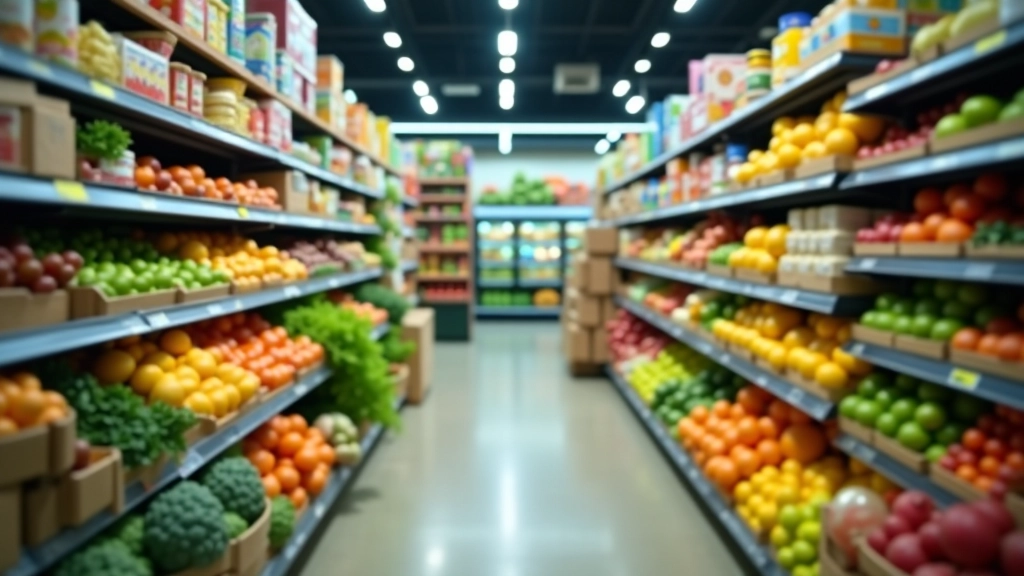
The lowest tax rate applies to items everyone needs. We’re talking about everyday groceries — rice, wheat, flour, vegetables, fruits. Basic medicines fall here too. So does milk, eggs, bread, and most food items you’d find in a typical kitchen.
This bracket also includes books, newspapers, and educational materials. The government wants to keep knowledge accessible. Water and electricity for residential use gets taxed at five percent. Even some agricultural implements are here because they support farmers.
The idea is straightforward — don’t make survival expensive. When someone buys dal or rice, they’re only paying five percent tax on top. It’s a way to ensure basic needs stay affordable for everyone.

The twelve percent bracket covers items that aren’t essentials but aren’t luxury goods either. You’ll find processed foods here, cosmetics, and certain textiles. Most clothing falls into this category. So do some services — think haircuts, repairs, and other everyday services.
The eighteen percent slab is where things get serious. This is the standard rate for most goods and services. Electronics like smartphones, computers, and appliances live here. Restaurants, hotels, and entertainment services pay eighteen percent. Most manufactured goods fall into this bracket.
These middle rates try to balance two things — generating government revenue while keeping prices reasonable for the average person. It’s not as low as the five percent for essentials, but not as high as the luxury rate either.
The highest slab at twenty-eight percent applies to luxury items and products the government wants to discourage. Cigarettes and alcohol are here. So are high-end automobiles, yachts, and private aircraft. Jewelry made with precious stones hits this rate too.
This bracket serves two purposes. First, it raises revenue from those who can afford to spend on non-essentials. Second, it discourages consumption of certain products like tobacco and alcohol. When you buy a premium car or a pack of cigarettes, a significant chunk goes to taxes.
Interestingly, even some services fall here — like air travel for premium cabins and certain entertainment. The government believes those who purchase luxury deserve to contribute more through taxes. It’s a form of progressive taxation built into the system.

Not everything falls neatly into the four slabs. Some items are completely exempt from GST — they’re taxed at zero percent. Exports get zero-rated because the government wants Indian products competitive globally. Certain financial services, education provided by schools and colleges, and healthcare services are exempt too.
There’s also something called “nil-rated” items. These are technically taxable, but the rate is zero. It sounds the same, but it matters for businesses. With nil-rated goods, companies can claim input tax credit on the materials they used. With exempted items, they can’t. It’s a technical distinction that affects how businesses file their returns.
Quick example: A hospital provides medical services (exempt). A pharmaceutical company sells medicines (five percent). A luxury watch brand sells premium timepieces (twenty-eight percent). Three different tax rates, same healthcare sector.
You might wonder why the government didn’t just pick one tax rate for everything. The answer is fairness — or at least, the government’s definition of it. By taxing essentials lightly, they’re acknowledging that poor and rich people both need food and medicine. The rich person buys more expensive groceries, but still pays the same five percent rate.
But when someone buys a luxury car or expensive jewelry, they’re spending money on wants, not needs. The higher tax rate reflects that. It’s a way to make the tax system more progressive without explicitly targeting high earners.
For businesses, understanding these categories is crucial. If you’re importing goods or manufacturing something, knowing your item’s tax rate determines your profit margins. A business paying eighteen percent GST on inputs but selling at the same rate breaks even on the tax. But if they’re importing at eighteen percent and selling exempt goods, they’re losing money on tax without being able to claim credit.

This article provides educational information about India’s GST tax structure and rate categories. Tax laws are complex and subject to change. The specific classification and tax rate for any particular product or service may vary based on various factors including recent amendments, state-specific rules, and specific circumstances. For accurate tax advice related to your specific business or purchase, it’s essential to consult with a qualified tax professional, chartered accountant, or the official GST portal. The government regularly updates GST guidelines, so always verify current rates and classifications from official sources before making business decisions.